By Sean Shannon Murphy, P.E.
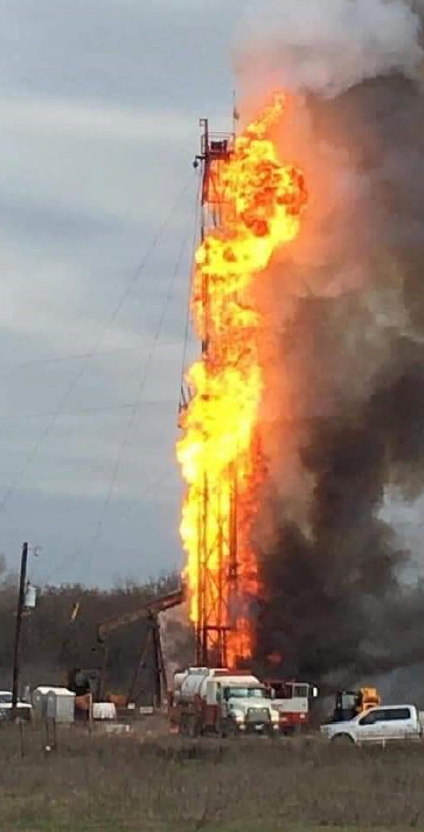
Photo courtesy of U.S. Chemical
Safety Board (CSB)
Photo courtesy of U.S. Chemical
Safety Board (CSB)
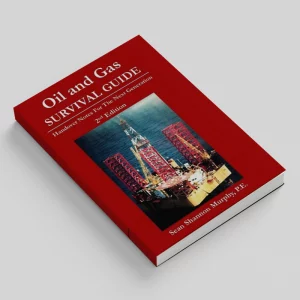
I have worked for multiple companies and the stories told throughout these books are from my actual experiences or heard from others on the job. The contents of Oil and Gas Survival Guide are intended to save lives and prevent expensive mistakes. You can avoid an expensive or tragic mistake by learning from others and save your company a lot of money, and maybe someone’s life. I have learned that no one is exempt when it comes to accidental death. Sometimes you are at the wrong place at the wrong time, and you get killed. This book teaches you where the danger zones are so you can stay out of harm’s way. A wide range of information is presented to prevent you from having your own oilfield train wreck. There are millions of dollars of information shared in this book and someone or some company paid the price to learn these lessons.
The names of people, companies, and places in relation to accidents, oilfield train wrecks, expensive mistakes, and unprofessional behavior have been purposely changed to protect the reputations of all those involved. The only exception made is for those large, publicized blowouts, spills and other tragedies that resulted in multiple deaths or significant environmental damage.
The Oil and Gas Survival Guide is written to provide you with a taste of the colorful conversations, stories, and events in the oil field, on the rigs, on the frac jobs, and in the jungle bars. Due to the interesting people working in the oil and gas industry, you will find many of these stories humorous and entertaining. Some of the stories or events are offensive or disgusting. They are included to demonstrate unacceptable behavior that has either hurt or offended others or destroyed families and careers.
I also want to thank the readers of this book. You have chosen to increase your knowledge by reliving my experiences and those of others. You will learn about recommended petroleum engineering practices based on 45 years of experience, oilfield train wrecks and accidents, and the importance of always exercising your right to shut down an unsafe job.
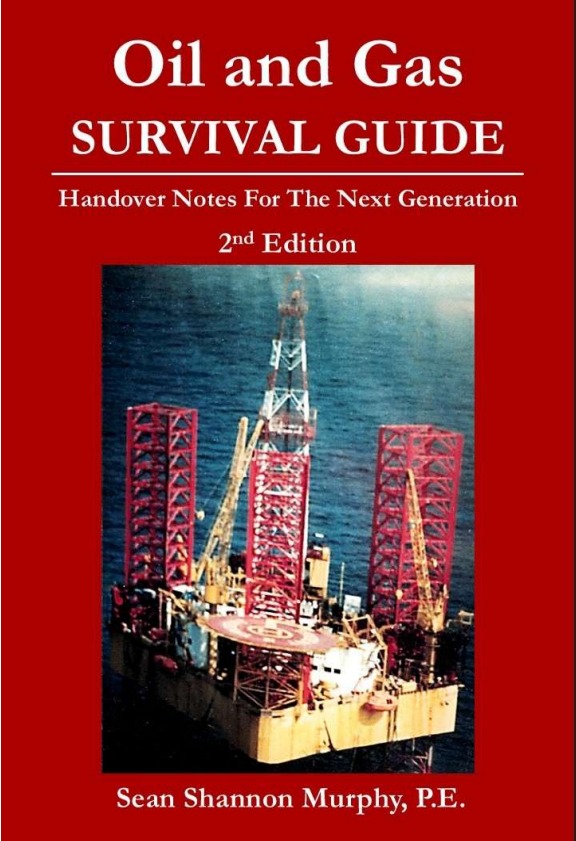
The Oil and Gas Survival Guide is my handover notes for you, the next generation in the oil and gas industry . . . . . .
I have worked for multiple companies and the stories told throughout these books are from my actual
experiences or heard from others on the job. The contents of Oil and Gas Survival Guide are intended to
save lives and prevent expensive mistakes. You can avoid an expensive or tragic mistake by learning from
others and save your company a lot of money, and maybe someone’s life. I have learned that no one is
exempt when it comes to accidental death. Sometimes you are at the wrong place at the wrong time, and you get killed. This book teaches you where the danger zones are so you can stay out of harm’s way. A wide
range of information is presented to prevent you from having your own oilfield train wreck. There are
millions of dollars of information shared in this book and someone or some company paid the price to
learn these lessons.
The names of people, companies, and places in relation to accidents, oilfield train wrecks, expensive
mistakes, and unprofessional behavior have been purposely changed to protect the reputations of all those
involved. The only exception made is for those large, publicized blowouts, spills and other tragedies that
resulted in multiple deaths or significant environmental damage.
The Oil and Gas Survival Guide is written to provide you with a taste of the colorful conversations,
stories, and events in the oil field, on the rigs, on the frac jobs, and in the jungle bars. Due to the
interesting people working in the oil and gas industry, you will find many of these stories humorous and
entertaining. Some of the stories or events are offensive or disgusting. They are included to demonstrate
unacceptable behavior that has either hurt or offended others or destroyed families and careers.
I also want to thank the readers of this book. You have chosen to increase your knowledge by reliving
my experiences and those of others. You will learn about recommended petroleum engineering practices based on 45 years of experience, oilfield train wrecks and accidents, and the importance of always exercising your right to shut down an unsafe job.
The Oil and Gas Survival Guide is my handover notes for you, the next generation in the oil and gas
industry . . . . . .

Quick Reference Calculators for Field Engineers
Created from Equations found in “Oil and Gas Survival Guide” – Sean Murphy
CLICK ON RED or BLACK TITLES TO ACCESS DESIRED MODEL

*Calculator shown not included
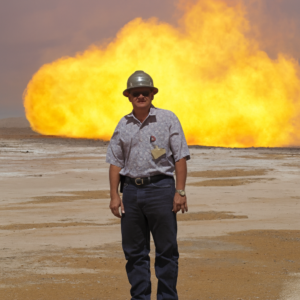
Sean Shannon Murphy holds a B.S. in petroleum engineering from the University of Oklahoma with electives in oil and gas law and business management. He is a registered professional petroleum engineer in the states of Oklahoma, Texas, and Ohio. He has over 45 years of experience working in the U.S., Canada, Nigeria, and Algeria. Sean is currently a petroleum engineering consultant and owner of Shannon Petroleum Engineering, LLC specializing in the calculation of maximum allowed surface injection pressure (MASIP) for saltwater disposal wells, optimizing completion designs, and providing expert testimony for litigation and oil and gas commission hearings. He lives in his hometown of Edmond, Oklahoma, and on his farm near Thomasville, Missouri.